The e-commerce landscape is bursting with opportunities, but few niches are as consistently heartwarming and profitable as baby clothing. From the moment a new baby arrives, the need for cute, comfortable, and functional clothing begins—and it doesn't stop until they hit their teenage years. The global baby clothing market is a financial giant, valued at nearly $200 billion and projected to continue its steady growth. This creates a massive playground for aspiring entrepreneurs.
If you want to tap into this evergreen market without the heavy overhead of traditional retail, dropshipping is your ideal business model. It allows you to sell high-quality baby clothes without ever touching the inventory. You simply set up an online store, partner with a supplier, and when a customer makes a purchase, the supplier ships the product directly to them.
In this comprehensive guide, we will walk you through everything you need to know to start your own dropshipping baby clothes business.
Key Takeaways
- Evergreen & Emotional Market: The baby clothing market is consistently in demand (projected to reach $475B by 2030) and driven by emotional purchasing, leading to high repeat customer rates and healthy profit margins.
- Winning Product Categories: Success lies in stocking items parents love, including organic cotton onesies, gender-neutral sets, special occasion outfits, and practical essentials like pajamas and socks.
- Supplier & Branding Power: Reliable suppliers like EPROLO, with global warehouses and branding options (custom labels, packaging), are crucial for fast shipping, customer trust, and building a memorable brand.
- Strategic Niche & Marketing: Focusing on a specific sub-niche (e.g., eco-friendly, mini fashionistas) and marketing visually on platforms like Instagram/Pinterest are key to standing out and driving sales.
Table of Contents
Why Dropship Baby Clothes
Choosing baby clothes for dropshipping has several advantages that make it a great niche for new and experienced sellers.
A Growing and Evergreen Market
The baby products market is consistently in demand, with the global market size expected to reach USD 475.15 billion by 2030. Among all baby products, baby clothes stand out as an evergreen niche. Babies outgrow their clothes quickly, which means parents are always making repeat purchases. This creates a steady and reliable demand, ensuring ongoing sales for your store.
Endless Product Variety
The baby clothing market offers a wide variety of products, from everyday essentials to special occasion outfits. This variety allows you to experiment with different items and cater to various tastes and needs, keeping your store fresh and appealing. Whether you focus on practical wear or sentimental gifts, there’s something for every parent’s need.
Emotional Connection & Profit Potential
Parents and gift-givers often make purchases based on emotional connections. They’re not just buying clothes, they’re buying joy, love, and a way to celebrate their child. This emotional aspect means parents are willing to spend more on items, especially for special occasions. With this, you can achieve healthy profit margins, often retailing items for $10–$20 above your cost. Happy customers will return, creating a loyal base for your business.
Best-Selling Baby Clothes to Dropship
To build a successful and profitable store, you need to stock winning products that meet the specific needs and desires of modern parents. Here are the top-performing categories you should consider featuring in your online store, each with the potential to become a customer favorite.
Organic Cotton Baby Clothes
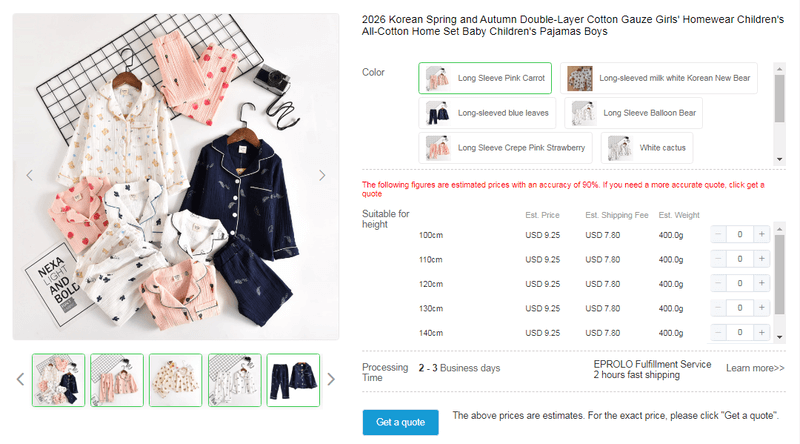
Eco-friendly and skin-safe, organic cotton is in high demand as parents become more conscious of sustainability and the dangers of harsh chemicals on sensitive baby skin. This category appeals to a growing demographic of environmentally aware shoppers who are willing to pay a premium for products that are better for the planet and their child. By offering organic options, you position your store as a responsible and trustworthy source, building brand loyalty from the very first purchase.
Baby Onesies & Bodysuits
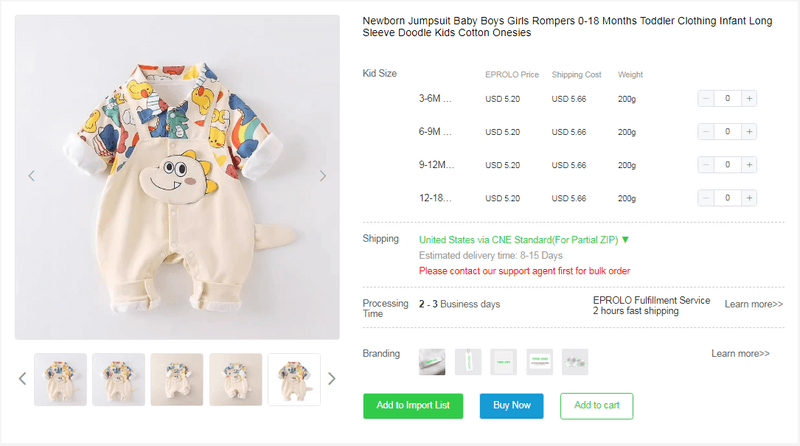
The bread and butter of any baby store, these are practical, necessary, and available in a wide variety of designs, making them a classic, must-have item. Their simple design provides a perfect canvas for cute sayings, trendy patterns, and personalized prints. Because they are a staple, parents are always looking for them, making onesies a reliable source of consistent traffic and sales for your dropshipping business.
Baby Pajamas & Sleepers
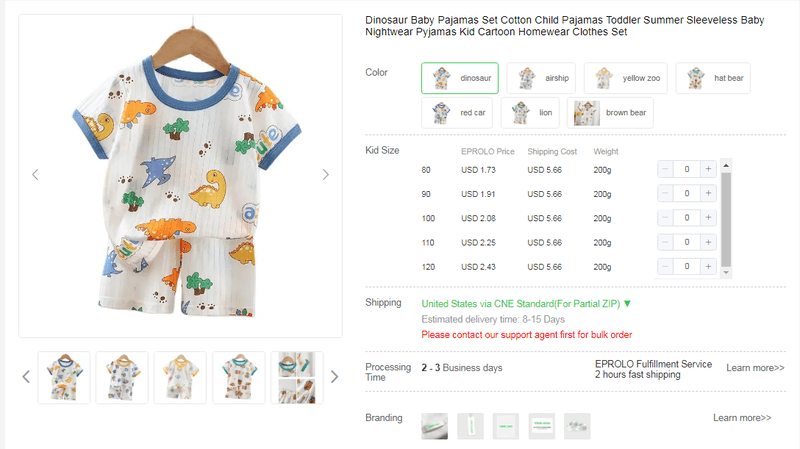
Cozy, soft, and easy to use for nighttime changes, baby sleepwear is always in demand. Parents prioritize safety and comfort when it comes to sleep, so look for footed options made from safe, non-flammable materials. Highlighting features like two-way zippers for easy changes or breathable fabrics can make your product listings stand out, reassuring parents that you understand their nightly needs.
Gender-Neutral Baby Clothes
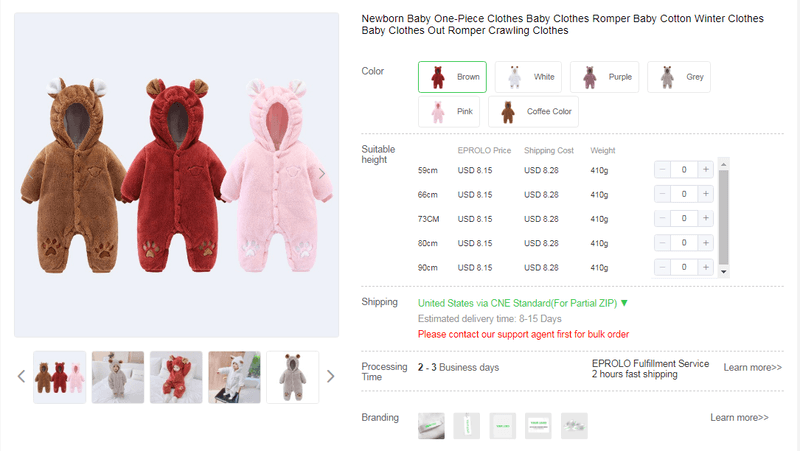
Offering versatility, gender-neutral clothing is becoming increasingly popular among modern parents who prefer to move past traditional pinks and blues. Think greens, yellows, grays, and animal themes. This category is perfect for parents who want to reuse clothes for future siblings or who simply appreciate a modern, minimalist aesthetic. It also makes your store more appealing to gift-givers who may not know the baby's gender.
Baby Jackets & Sweaters
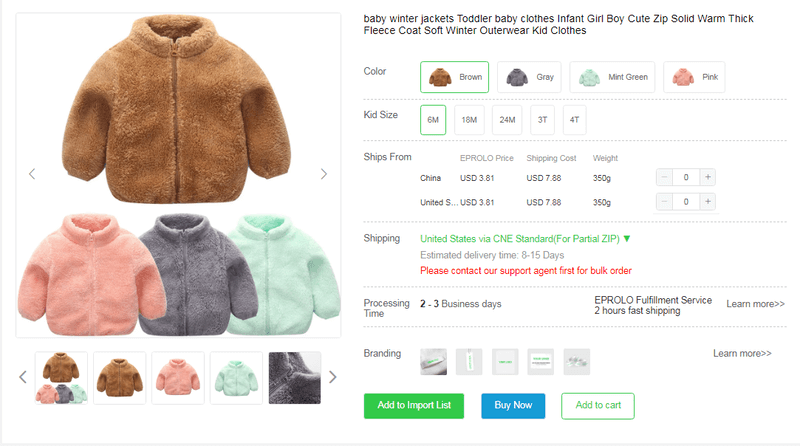
Essential for colder months, these items are both functional and stylish. Coats with playful animal ears or adorable knitted sweaters are particularly popular and convert well. These items are often purchased as gifts because they are visible and photograph well. By offering a range of warm, high-quality outerwear, you can capture the seasonal shopping spikes that are crucial for boosting your annual revenue.
Baby Dresses & Skirts
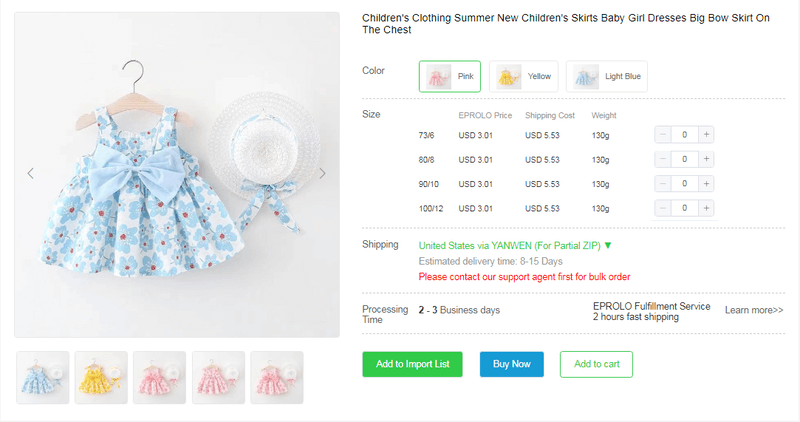
Perfect for special occasions like weddings, birthdays, and holiday photos, this category is a popular choice for gifting. You can find beautiful options at wholesale prices that retail for a significant markup. These items tap into the emotional desire to dress up the baby for memorable moments. Marketing these as "First Birthday Outfits" or "Holiday Photo Ready" can directly target parents looking for that perfect special-occasion look.
Baby Socks & Booties
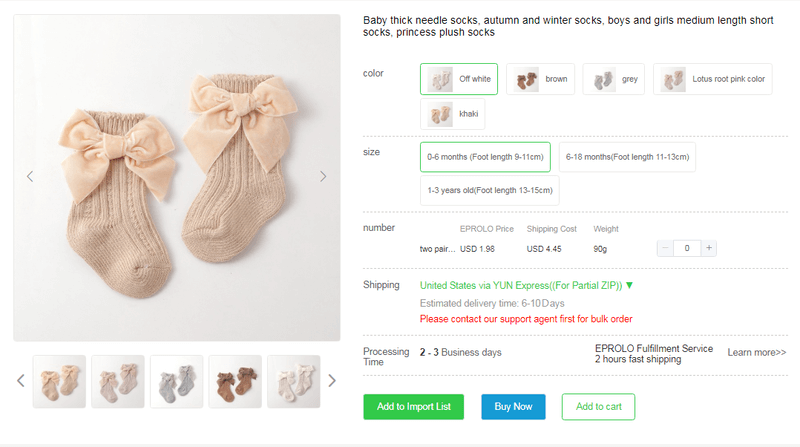
A practical necessity. Babies are always losing socks, so parents are constantly buying them in multi-packs. Comfortable and practical, they are consistently needed. This category is an excellent upsell item at checkout. By offering a variety of cute, non-slip sock options, you can increase your average order value with a product that has virtually no risk of going out of style and offers high utility to your customers.
Baby Swimsuits
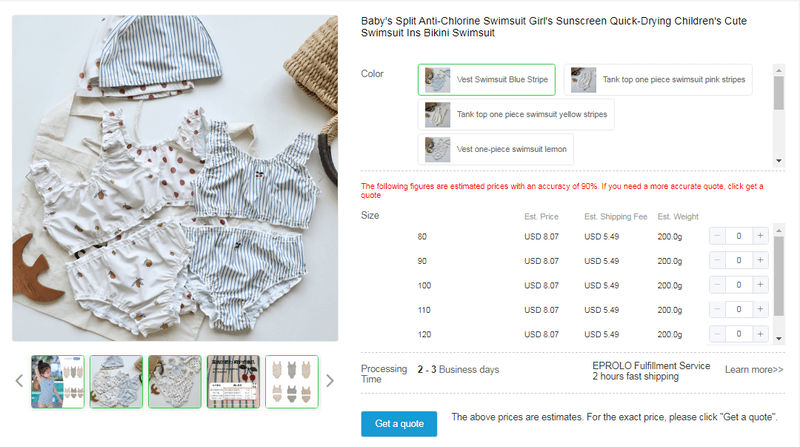
A perfect seasonal product for warmer weather or family vacations. Look for sets with UPF 50+ sun protection, which is a major selling point for safety-conscious parents. These items often come in adorable matching sets for siblings or parents, which can be a powerful marketing angle. By stocking swimwear, you ensure your store remains relevant and top-of-mind as families plan their summer activities and trips.
Personalized Baby Clothes
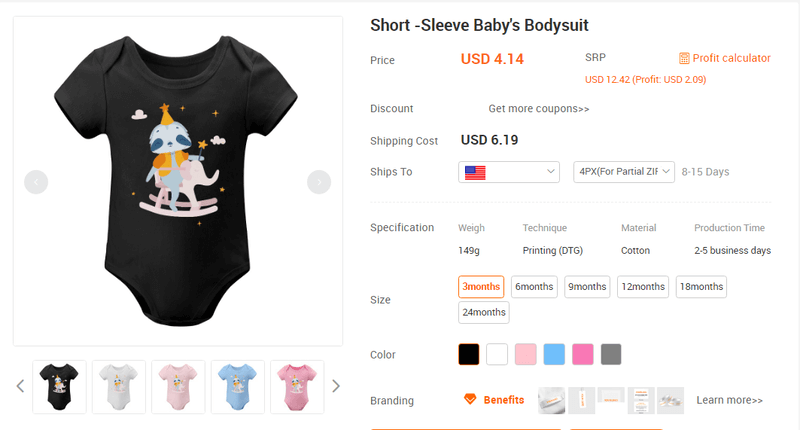
Customizable items with names or unique designs are incredibly popular for gifts. They add a sentimental touch that customers are willing to pay a premium for. Whether it's a onesie with a monogram or a custom birthday shirt, personalization makes the product feel one-of-a-kind. This is where using a supplier like EPROLO, which offers print-on-demand services, can help you create a unique and highly profitable product line without holding any inventory.
Best Suppliers for Dropshipping Baby Clothes
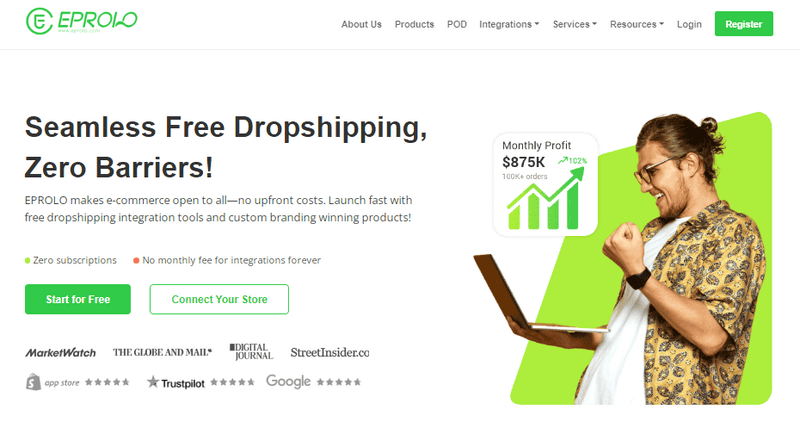
When it comes to building your dropshipping business, selecting a reliable supplier is essential. EPROLO stands out as an excellent choice, particularly for entrepreneurs looking to establish a strong brand identity. Here’s why EPROLO is the go-to supplier for dropshipping baby clothes:
- Brand Building: EPROLO allows you to add custom labels, hangtags, and branded packaging to your products. This feature helps create a memorable unboxing experience and promotes brand recognition from day one, without requiring any minimum order quantity (MOQ).
- Massive Product Selection: With over 100,000 products in its catalog, EPROLO provides a wide variety of baby clothes to choose from, giving you plenty of options to stock your online store.
- Global Warehouses for Fast Shipping: EPROLO operates 26+ global warehouses, ensuring faster shipping times and better customer satisfaction, especially for international orders.
- Easy Integration: EPROLO seamlessly integrates with Shopify, making it easy to import products directly into your store with just a click.
How to Use EPROLO:
- Sign up for a free account on EPROLO’s platform.
- Browse their catalog of baby clothing and select the items you want to sell.
- Use the EPROLO to import products directly to your store and start selling with no upfront inventory costs.
EPROLO is a great choice for entrepreneurs who want to build a brand while minimizing risks associated with inventory.
How to Start a Dropshipping Baby Clothes Business
Ready to get started? Follow these actionable steps to launch your own profitable and sustainable online store.
Step 1: Choose Your Niche
Don't try to sell everything to everyone. Narrow your focus to a specific segment of the baby market to make your marketing more effective and help you stand out from the competition. A focused niche builds a stronger brand identity and makes it easier to attract a loyal customer base. Here are some popular niches:
- Eco-Friendly & Sustainable: Focus exclusively on organic cotton, bamboo fabrics, and clothing made from recycled materials.
- Mini Fashionistas: Offer trendy, boutique-style outfits, matching mother-and-child sets.
- Practical & Humorous: Sell onesies with funny sayings and relatable parenting humor.
- Special Occasion & Keepsakes: Specialize in outfits for birthdays, holidays, and photoshoots.
- Gender-Neutral & Minimalist: Cater to parents who prefer clean lines and neutral colors.
Step 2: Find Reliable Suppliers
Your supplier is your most critical business partner, and their performance directly impacts your reputation. Before committing, evaluate potential suppliers based on these key factors to ensure a smooth, long-term relationship that keeps your customers happy.
- Product Quality: Always order samples to verify fabric, stitching, and sizing accuracy firsthand.
- Shipping Speed: Look for suppliers with warehouses in your target market (US/EU) for faster delivery.
- Communication: Choose suppliers who are responsive and proactively notify you of issues.
- Return Policies: Ensure fair, clear processes for handling damaged items or customer dissatisfaction.
- Red Flags: Avoid suppliers with consistent stockouts, no contact information, or negative reviews.
Step 3: Set Your Pricing Strategy
Pricing your products correctly is a delicate balance between remaining competitive and ensuring a healthy profit margin. Your price must cover your costs (product cost + shipping) while leaving room for marketing expenses and your desired income. Here are some way to price your products.
- Value-Based Pricing: Set higher prices by emphasizing unique benefits like organic materials or adorable designs.
- Competitive Pricing: Research competitors and set your prices slightly lower to attract price-sensitive customers.
- Tiered Pricing: Offer products at different price points to cater to various budgets.
- Profit Margin Goals: Aim for a profit margin of 20-40% after accounting for product costs, fees, and marketing.
Step 4: Build Your Online Store

Your website is your digital storefront. Invest time in choosing a clean, mobile-responsive theme, as a huge portion of your traffic, especially from busy parents, will come from smartphones.
- High-Quality Images: Use the professional, high-resolution photos provided by your supplier.
- Detailed Descriptions: Write descriptions that sell the feeling. Use sensory words like "buttery soft" and include keywords like "newborn gift" or "organic cotton."
- Easy Navigation: Organize products into clear categories and include a prominent search bar.
- Mobile Optimization: Ensure your store looks and functions perfectly on mobile devices.
Step 5: Market Your Dropshipping Baby Clothes Store
Marketing is the engine that drives traffic. A successful strategy uses a mix of organic and paid channels.
- SEO: Optimize product titles and descriptions with keywords like "dropshipping baby clothes" and "organic baby onesie."
- Social Media Marketing: Use Instagram and Pinterest to showcase products visually.
- Influencer Collaborations: Partner with parenting bloggers or "mommy influencers" for reviews.
- Paid Advertising: Run targeted ads on Facebook/Instagram based on life events like "recently had a baby."
Step 6: Provide Excellent Customer Service
Excellent customer service transforms one-time buyers into loyal fans.
- Proactive Communication: Send automated emails to confirm orders and provide tracking.
- Clear Policies: Create easy-to-find return, exchange, and shipping policies.
- Be Responsive: Offer support via email, chat, or social media and respond within 24 hours.
Scaling Your Dropshipping Business
Once you have a steady flow of sales and a proven business model, it's time to implement strategies to grow and scale your operation.
- Expanding Product Lines: Add complementary products like bibs, burp cloths, swaddles, or wooden Montessori toys.
- Automation: Use tools to automate repetitive tasks like abandoned cart emails and order fulfillment syncing.
- Outsourcing: Hire a virtual assistant for customer service or a social media manager for content creation.
Conclusion
Starting a dropshipping business for baby clothes is a wonderful way to enter the world of e-commerce. It’s a market fueled by love, necessity, and constant demand. By following the steps outlined in this guide, finding reliable suppliers like EPROLO, selecting trending products, setting up a beautiful store, and connecting with parents through smart marketing, you have all the tools you need to succeed.
The journey of a thousand onesies begins with a single step. Ready to start your adorable empire? Sign up with a platform like Shopify today and explore the catalogs of EPROLO to find your first winning products!
Frequently Asked Questions (FAQ)
Q1: How much money can I make dropshipping baby clothes?
A: Your earnings depend on factors like product selection, pricing, and marketing effectiveness. Typically, dropshippers aim for a profit margin of 10-30%. By focusing on value-added products like organic or personalized clothing, you can often achieve higher margins.
Q2: How do I find reliable baby clothing suppliers?
A: The best way is to use established dropshipping platforms. EPROLO is excellent for its global reach and branding options. Spocket is great for faster shipping from US/EU suppliers, and AliExpress offers a wide variety for product testing. Always check reviews and order samples.
Q3: Can I dropship baby clothes without holding inventory?
A: Yes! That is the core benefit of the dropshipping model. You only purchase the product from your supplier after a customer has bought it from your store. Your supplier handles all the storage, packing, and shipping.
Q4: What marketing strategies work best for dropshipping baby clothes?
A: Visual platforms like Instagram and Pinterest are incredibly effective. Collaborating with parenting influencers and running highly targeted Facebook/Instagram ads to new and expecting parents are proven strategies.
Q5: Is it competitive to dropship baby clothes?
A: Yes, the baby niche is competitive, but it is not saturated. By choosing a specific sub-niche, offering high-quality products, and building a strong brand with excellent customer service, you can differentiate yourself and build a loyal following.
Read More from EPROLO Blog
Written by Iris
Iris is a digital marketing expert with 3+ years of experience in e‑commerce and dropshipping. She helps online store owners grow their sales through SEO-friendly content, supplier guides, and practical marketing tips, making it easier to run and scale profitable stores.